June 29, 2026
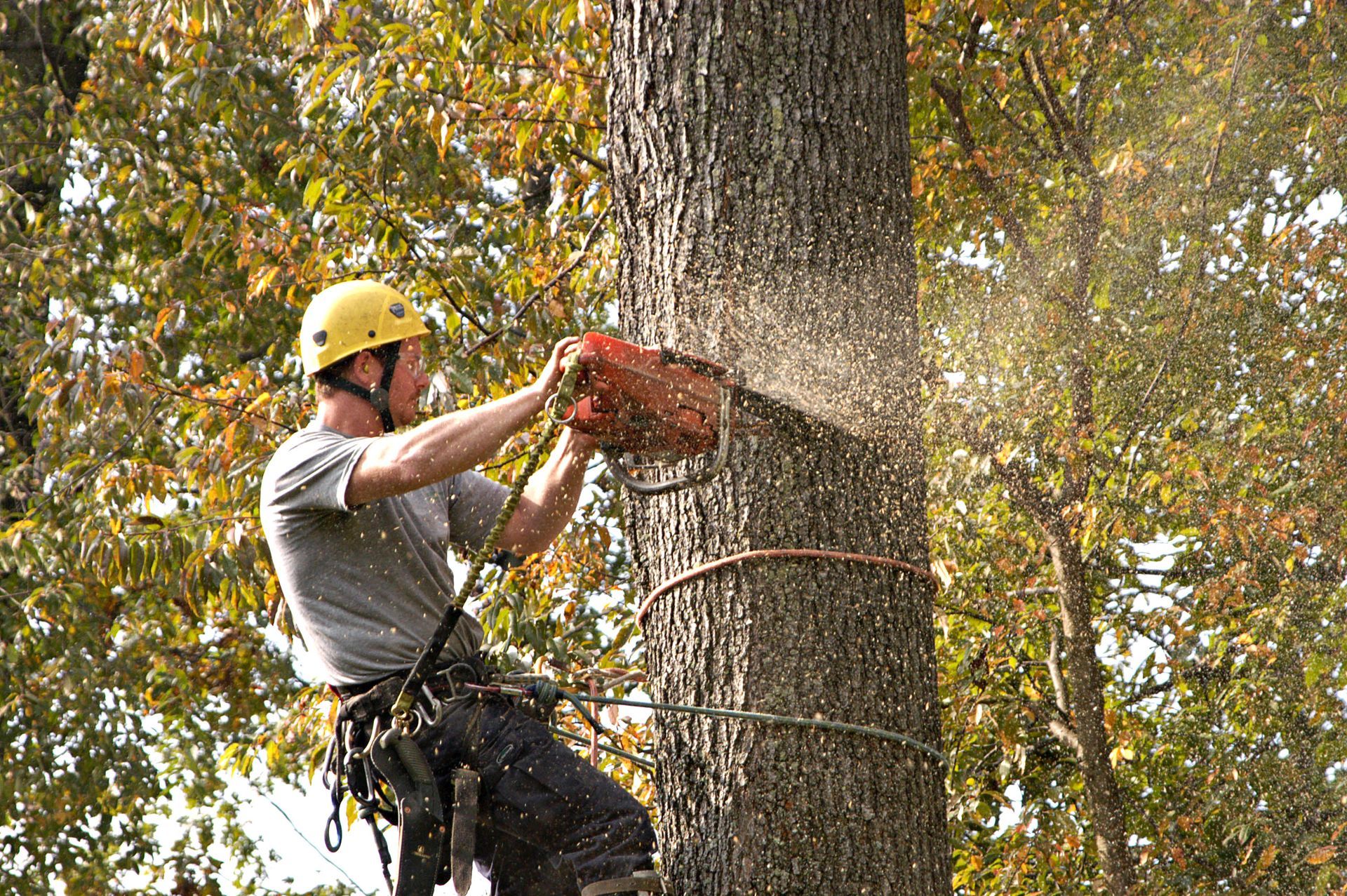
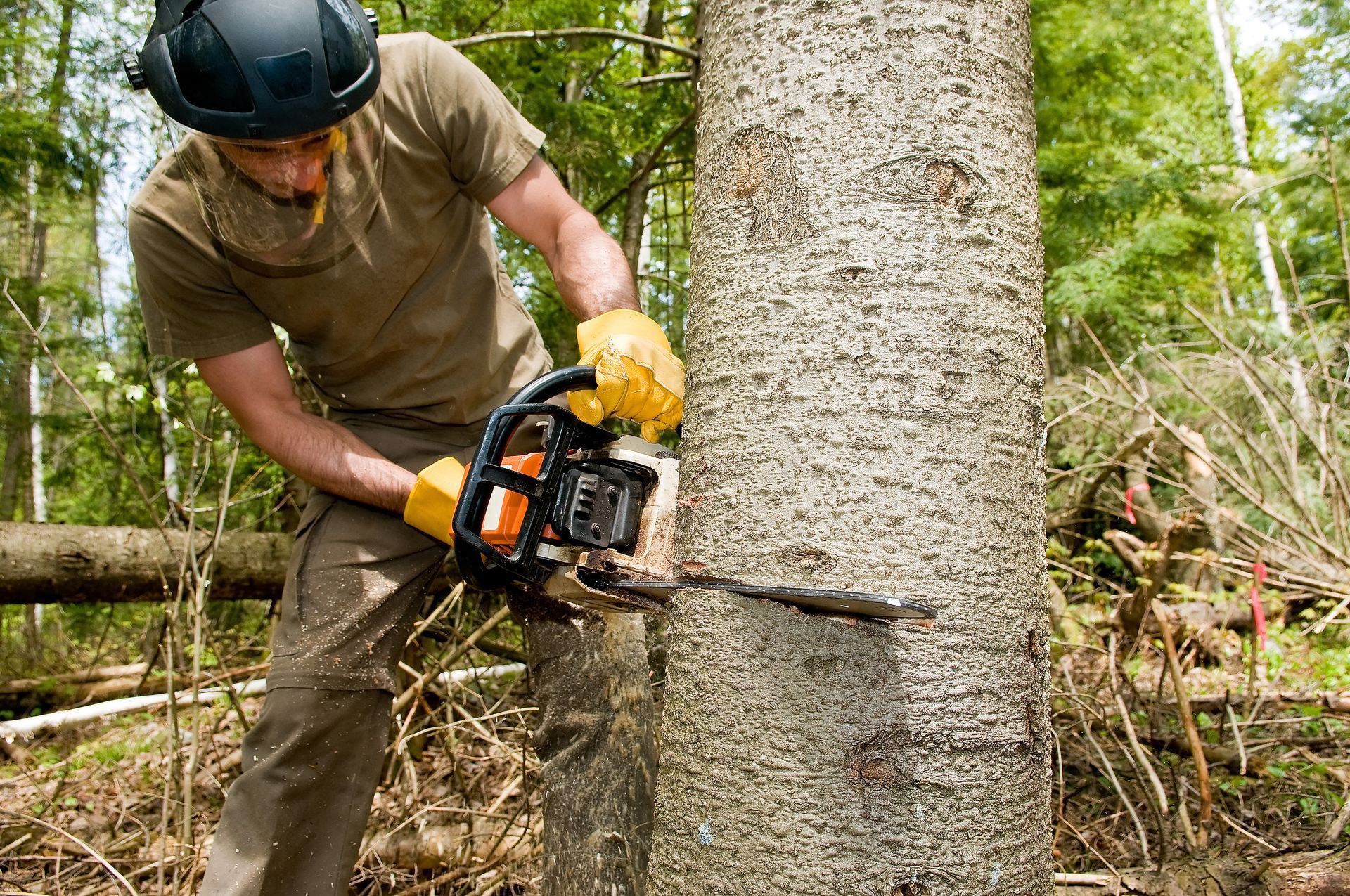
Precision tree removal plays a crucial role in various sectors, including urban planning, environmental management, and public safety. With the rise of urbanization, managing the greenery in cities has become increasingly complex, necessitating precise techniques to mitigate risks. Tree removal represents the highest-priced service category for 80% of companies, according to WifiTalents, so the importance of precision methods cannot be overstated, especially considering the potential hazards of improperly managed removal, such as damage to infrastructure or harm to individuals. Furthermore, environmental management depends on these techniques to preserve ecological balance when trees must be removed. Safety concerns also underpin precision tree removal, ensuring that operations are conducted with minimal risk to workers and the public.
Understanding Tree Biology and Mechanics
Root Systems and Stability
The root system of a tree is fundamental to its stability and plays a critical role when planning removal operations. Roots not only anchor a tree to the soil but also interact with underground utilities and structures. Understanding the intricate layout and depth of a tree's roots helps arborists predict how a tree will respond when cut. Certain species have more expansive root systems, potentially complicating removal procedures. Precision tree removal leverages this knowledge to avoid unexpected results and ensure the safety and stability of surrounding environments.
In urban environments, where space is limited and underground infrastructures are dense, root systems can present challenges. Removing trees with extensive root networks requires careful consideration and planning to prevent damaging nearby utility lines or building foundations. Engineers and arborists work together to evaluate root stability and determine the best methods for mitigating potential risks. Advanced tools, including ground-penetrating radar, can be employed to visualize subsurface root structures, guiding precise removal strategies. This collaboration emphasizes the importance of an interdisciplinary approach in precision removal.
The stability of a tree also depends on the health of its root system, making it a critical focus of preliminary assessments. Roots affected by disease or disruption may complicate the removal process, necessitating tailored strategies. Arborists must consider both the current stability of the root system and its potential impact on neighboring vegetation. Effective communication between arborists and engineers ensures a comprehensive understanding of root dynamics, fostering efficient and safe removal processes. By integrating biological insights with mechanical assessments, precision removal can be executed with greater accuracy.
Trunk Structure and Load Distribution
The trunk of a tree is its structural backbone, providing support and facilitating nutrient transport; however, it can also pose challenges during removal. Understanding the internal structure and load distribution within the trunk is crucial for precise and safe felling. The mechanics of the trunk determine how a tree will react when cut, influencing factors like fall trajectory and potential impact on surrounding structures. Individual variations in trunk strength and flexibility require tailored approaches to ensure effective removal without compromising safety. Knowledge of the trunk's mechanical properties allows for informed decision-making, minimizing the risk of accidental damage.
Advanced imaging techniques offer insights into trunk integrity and potential weaknesses. These tools help arborists and engineers visualize internal decay or growth irregularities, which can affect the removal strategy. Accurate assessments enable the prediction of structural behavior and guide decisions on where and how to execute cuts. Understanding load distribution within the trunk aids in determining optimal cutting points, supporting controlled and predictable felling. These analyses are especially critical in urban areas, where removal must account for nearby people and structures.
Variations in wood density and structure among different tree species necessitate tailored removal techniques. Heavy, dense trunks may require additional precautions to ensure a safe and manageable fall. Similarly, trunks with irregular growth patterns or branching require customized strategies to mitigate risks. Engineers and arborists collaborate to assess these factors through detailed site evaluations and species-specific analyses. An interdisciplinary approach is critical, combining expertise in tree biology with engineering principles to achieve precision and minimize unintended consequences.
Branch Mechanics and Stress Points
Understanding branch mechanics and identifying stress points is essential for optimizing tree removal techniques. Branches can significantly influence the balance and fall direction of a tree, making their assessment a key component of precision removal. Each branch contributes differently to the overall load distribution, and improper removal can result in unpredictable outcomes. Utilizing tools like static load tests, arborists can evaluate branch strength and identify critical stress points. Such data helps in planning the sequence and direction of cuts for maximum control over the felling process.
The anatomy of branches varies considerably between tree species, affecting their mechanical properties and potential stress points. Heavier branches exert different forces on a tree's trunk and surrounding branches, requiring strategic removal to prevent structural imbalances. Knowledge of branch mechanics enables arborists to anticipate changes in load distribution as branches are removed. This understanding supports more accurate predictions of how a tree will react throughout the removal process. Precision in branch removal can reduce risks to nearby structures and ensure a smoother, safer operation.
Impact of Tree Species on Removal Techniques
The diversity of tree species presents both opportunities and challenges in precision tree removal, necessitating species-specific techniques. Each species has unique characteristics, such as trunk strength, root structure, and branch flexibility, influencing how it should be approached. Some species, like the densely wooded oak, require different strategies compared to softer, faster-growing trees. This variability highlights the need for tailored approaches that consider the biological and mechanical nuances of individual species. Incorporating such considerations can greatly enhance the efficiency and safety of removal operations.
Arborists must possess a keen understanding of species-specific growth patterns and their implications for removal. Certain trees respond differently to stress due to variances in their biological makeup and structural design. For example, trees with brittle branches may necessitate different cutting angles to prevent accidental breakage and uncontrolled falls. Recognizing these differences is crucial for devising plans that optimize safety and precision during the removal process. The ability to adapt techniques to the needs of specific species underscores the importance of diverse expertise in removal operations.
Tree Growth Patterns and Challenges
Tree growth patterns play a pivotal role in shaping the challenges and strategies associated with their removal. Trees may exhibit diverse growth habits, such as vertical or lateral expansion, affecting their stability and the complexity of removal efforts. These patterns determine stress points and load distributions, impacting both planning and execution phases. Arborists must evaluate growth habits to devise optimized cutting sequences that prevent uncontrolled falls. Understanding these patterns enhances the ability to predict structural behaviors and minimize risks during the removal process.
Variations in growth patterns can create asymmetries in a tree's structure, complicating removal operations. Trees grown in competitive environments often develop adaptive growth forms, increasing unpredictability during felling. Precision tree removal techniques must accommodate such complexities, requiring detailed prior assessments and simulations. By modeling potential scenarios, professionals can anticipate how growth patterns might influence the outcome of removal strategies. This foresight is essential for identifying potential hazards and enhancing operational effectiveness.
Precision tree removal is a vital, interdisciplinary practice that merges biological insights with engineering principles. By thoroughly assessing root stability, trunk integrity, branch mechanics, and species-specific growth patterns, professionals can accurately predict structural behavior. This scientific approach ensures urban safety, protects critical infrastructure, and minimizes environmental disruption during complex felling operations. Call Maggs Professional Tree Service, LLC today to get started with our services.