November 21, 2026
A young ornamental sapling in the front yard requires a quick morning visit, while a towering eighty-foot oak demands an intricate aerial operation. Every extra foot of height multiplies trunk weight, canopy spread, and drop-zone hazards. Having every detail handled from canopy dismantling to final raking gives homeowners complete reassurance their tree removals are properly managed.
Calculating Weight and Structural Reach
A tree trunk looks solid and predictable from the porch, yet wood holds astonishing amounts of water and mass. While a small backyard maple might weigh a few hundred pounds total, a mature hardwood giant easily tips the scales at several tons. Every single limb overhanging a roof, fence, or garden bed carries serious kinetic force once cut free from the main stem. Even a medium-sized upper branch holds enough momentum to crush decking or snap patio railings if dropped carelessly.
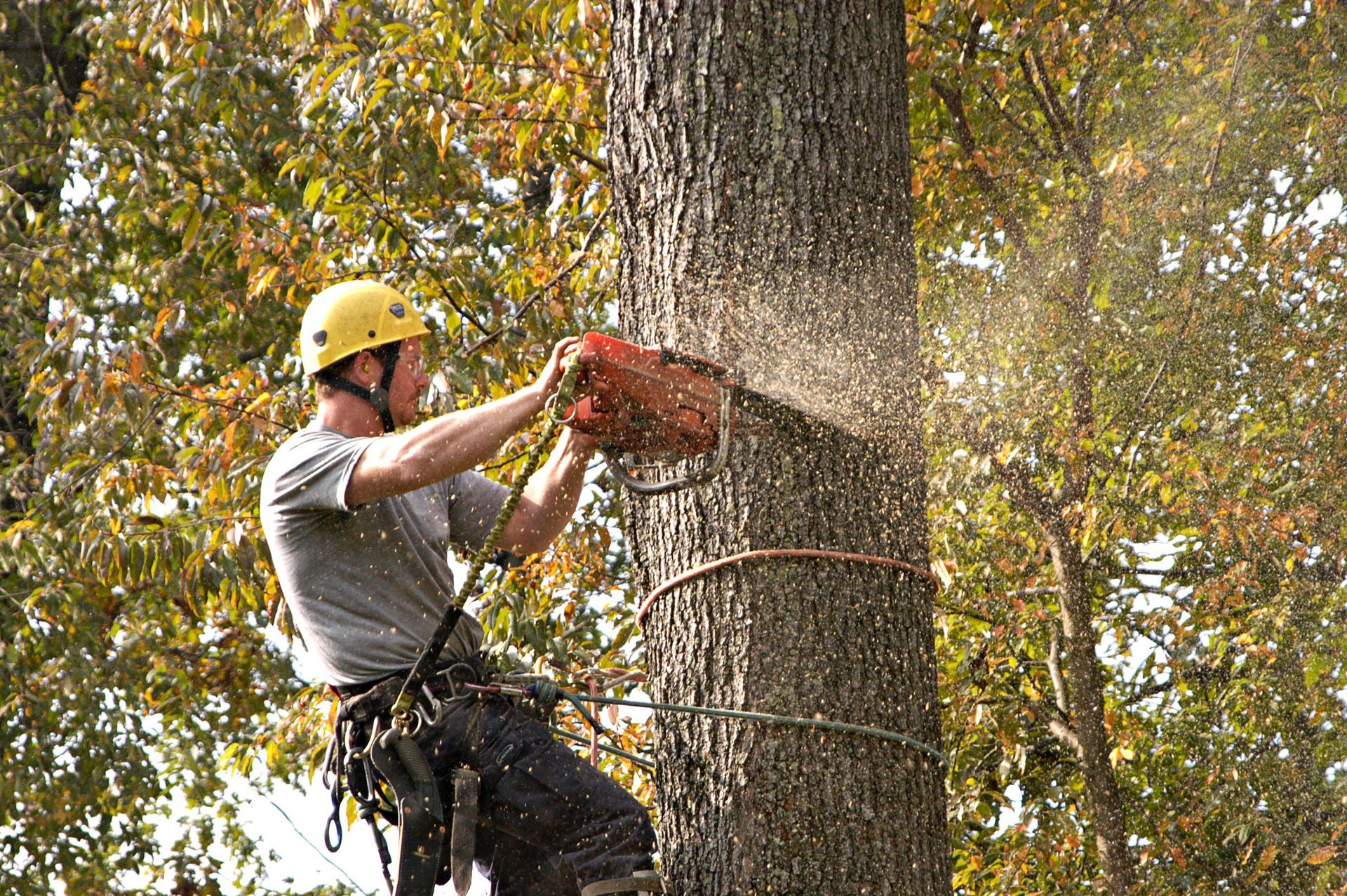
Crews cannot simply drop huge logs straight down onto residential lawns without crushing underground pipes, patios, or neighboring sheds. Instead, climbers and crane operators break massive canopies down into manageable, balanced sections high above the ground. Planning complex tree removals around heavy timber physics keeps surrounding structures completely safe while each piece travels downward under total control. Calculating the exact weight of each cut log prevents ropes and pulleys from overloading mid-air.
Height also changes the equipment, crew size, and safety rigging needed on site from sunrise onward. According to This Old House, large trees more than 30 feet tall typically are more expensive to remove than smaller ones because they require specialized equipment, involve more risk, and generate more material waste. Scaling up from a compact yard tree to a towering canopy transforms a simple cut into a coordinated logistical project. Every additional ten feet of elevation demands stronger hardware and deeper technical planning before the first saw starts up.
Navigating Tight Yards and Overhead Hazards
Suburban neighborhoods and city lots rarely offer wide-open fields where a tall trunk can fall freely in one piece. Power lines, service drops, swimming pools, greenhouses, and neighboring garages often crowd right beneath sprawling upper branches. One misjudged swing from a heavy limb can snag utility wires or punch straight through attic shingles in seconds. Working within narrow property boundaries leaves virtually zero margin for stray branches or bouncing logs.
Modern rigging ropes, friction brakes, and pulleys turn the tree's own sturdy upper crotch into an aerial lowering crane. Technicians tie off each limb carefully before making a cut, letting ground workers ease heavy branches down gently between delicate landscaping and patio furniture. Tight-quarters tree removals rely on steady communication between the climber aloft and the ground crew holding the ropes below. Controlled lowering keeps flowerbeds, fences, and outdoor kitchens completely untouched beneath a massive canopy.
Soft turf, narrow side gates, and septic drain fields add another layer of puzzle-solving before heavy trucks ever roll onto the grass. Crews lay down protective ground mats and position bucket trucks or spider lifts strategically so lawns stay neat and intact. Thoughtful site mapping lets specialists reach the highest tips without tearing up your yard. Protecting underground utilities and delicate soil keeps your property looking great long after the project finishes.
Inspecting Hidden Decay and Storm Damage
Tall trees endure decades of fierce windstorms, lightning strikes, insect borers, and deep fungal rot that stay hidden beneath thick bark. From the sidewalk, a towering pine or silver maple might look sturdy, even when its core has hollowed out like a chimney. Weak internal fibers behave unpredictably under saw pressure, turning routine cuts into sudden splitting hazards. Spotting subtle signs like mushrooms at the base or peeling bark alerts specialists to structural weakness inside.
Experienced arborists inspect trunk flares, cavity openings, and deadwood pockets thoroughly before anyone climbs into the upper crown. If a trunk shows severe internal decay, climbers avoid tying safety lines to compromised limbs and instead bring in elevated aerial lifts or cranes. Handling hazardous tree removals safely means reading subtle biological warning signs before gravity makes the next move. Adjusting the cutting strategy around hollow wood keeps everyone on site protected from unexpected trunk failure.
Storm-damaged giants leaning against roofs or tangled in neighboring trees present even trickier tension and compression forces. Bent wood stores tremendous spring-like energy that can snap violently if released in the wrong sequence. Patient, methodical cutting relieves internal stress piece by piece so the trunk settles safely without sudden shifts. Careful relief cuts prevent twisted branches from springing back toward workers or nearby windows.
Coordinating Heavy Machinery and Aerial Rigging
Removing a thirty-foot backyard birch takes basic climbing gear and a compact wood chipper parked at the curb. Taking down a ninety-foot cottonwood or tulip poplar often brings knuckle-boom cranes, tracked aerial lifts, and industrial loaders onto the block. Operating heavy machinery near residential driveways demands precise outrigger placement and solid ground support. Matching the right machinery to the yard's layout keeps operations smooth from morning arrival until afternoon cleanup.
Crane-assisted dismantling allows crews to lift entire upper sections straight up and over house rooftops toward a safe staging area near the street. Rather than lowering dozens of small limbs individually, an operator hooks a balanced sling around a major limb, keeps it steady while a climber makes the cut, and swings it cleanly onto the waiting flatbed. Large-scale tree removals move far faster and safer when specialized lifting gear carries the heaviest burdens. Lifting massive sections straight upward eliminates the risk of swinging limbs brushing against siding or gutters.
Every crew member follows strict hand signals and headset protocols so sawyers, riggers, and machine operators stay completely synchronized. Smooth teamwork prevents tangled lines, swinging loads, and unnecessary delays throughout the workday. Good coordination turns massive aerial work into a calm, rhythmic process. Clear communication across the entire crew keeps every lift steady, predictable, and right on schedule.
Clearing Tons of Timber and Wood Debris
Once the final top section touches the grass, an enormous mountain of brush, leafy twigs, thick trunk rounds, and sawdust remains to be cleared. A mature backyard giant produces truckloads of heavy wood that would overwhelm ordinary pickup beds or residential yard waste bins. Commercial wood chippers turn sprawling branches into clean mulch within minutes, while log loaders hoist massive trunk sections onto heavy-duty haul trucks. Efficient processing clears massive piles of branches quickly so your driveway never stays blocked overnight.
Stump grinding often finishes the transformation once the main trunk disappears down to ground level. Deep root flares and wide surface roots get chewed down below the soil line so homeowners can plant fresh grass, expand a garden, or reclaim sunny yard space. Managing high-volume tree removals includes leaving the entire property raked, swept, and spotless before the trucks pull away. Removing leftover wood chips and smoothing the soil leaves your lawn ready for fresh sod or landscaping right away.
Partnering with dedicated tree services brings the right mix of climbing skill, heavy lifting machinery, and cleanup power to every yard. Tackling oversized tree removals with seasoned professionals protects your home, saves your weekends, and restores open sky safely. No matter how tall a backyard giant grows, experienced hands make the whole process look effortless.
As trees grow taller and wider, removal shifts from simple cutting to careful rigging, heavy machinery, and thorough debris clearing. Managing weight, tight yards, and hidden decay protects homes and landscapes throughout every stage. Contact Maggs Professional Tree Service, LLC for quality tree services to keep even the largest backyard projects safe, smooth, and stress-free.